
Rajasthan cumin belt origin
Sourced from the Jodhpur-Nagaur-Barmer corridor — India's premier cumin region known for high volatile oil and strong cuminaldehyde profile.
VegTradeHub sources premium cumin seeds from the Jodhpur-Nagaur-Barmer corridor of Rajasthan — India's premier cumin-growing region. We supply export-grade cumin seeds with high volatile oil content (2.5–4.5%), strong cuminaldehyde profile, and ASTA-compliant cleanliness for spice processors, essential oil extractors, seasoning manufacturers, and global wholesale buyers.
| Parameter | Specification |
|---|---|
| Common name | Jeera, Cumin, Cumin Seeds, Safed Jeera |
| Botanical name | Cuminum cyminum L. |
| Category | Spice and seed commodity |
| Origin | India (Rajasthan: Jodhpur, Nagaur, Barmer districts) |
| Available forms | Whole seeds (machine cleaned, sortex), Ground powder, Essential oil |
| Growing region | Jodhpur, Nagaur, Barmer, Pali districts, Rajasthan |
| Harvest season | February – April (Rabi crop) |
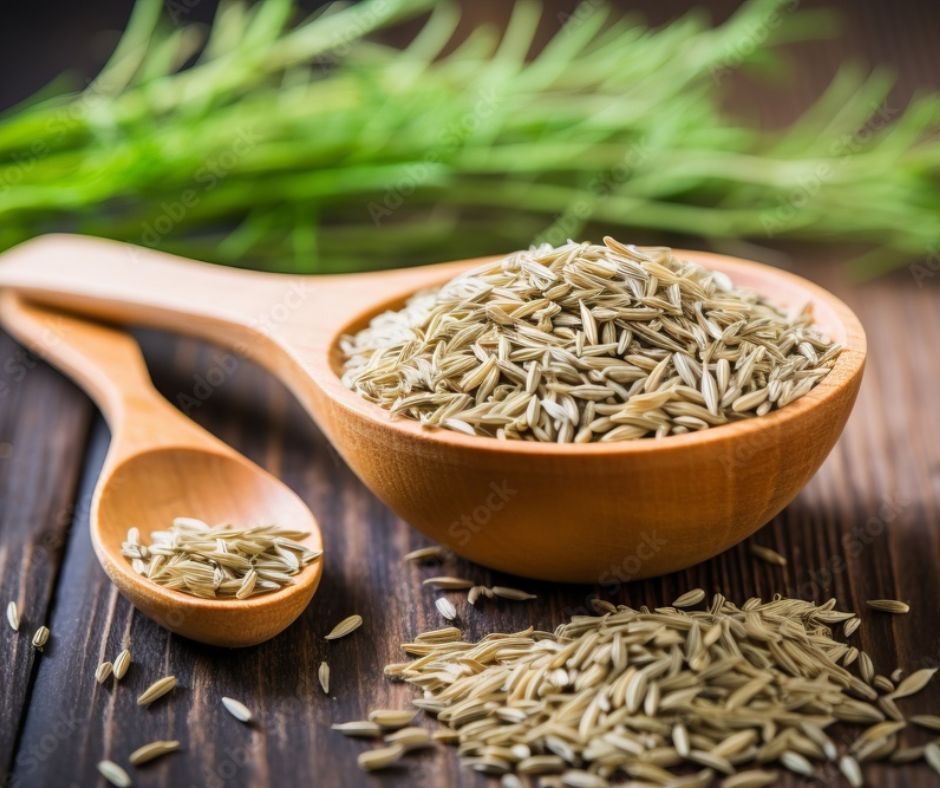
Rajasthan contributes over 60% of India's cumin production, with the Jodhpur-Nagaur-Barmer belt recognized globally for cumin seeds possessing superior aroma, high volatile oil content (2.5–4.5%), and a cuminaldehyde-rich profile that defines premium cumin quality. The region's arid climate, well-drained sandy loam soils, and cool winter nights during the Rabi season create ideal conditions for cumin to develop its characteristic warm, earthy flavor and intense aromatic signature.
VegTradeHub works directly with farmer cooperatives and certified growers across this belt, procuring cumin at peak maturity when essential oil accumulation is highest. Our supply chain integrates farm-level traceability, machine cleaning with sortex color sorting, steam sterilization on request, and multi-stage quality checks aligned with ASTA (American Spice Trade Association) and EU MRL standards. Whether you need whole seeds for spice blending, high-oil cumin for essential oil extraction, or ASTA-clean material for stringent import markets, we structure the grade, processing, and documentation to your specification.
Sourced from the Jodhpur-Nagaur-Barmer corridor — India's premier cumin region known for high volatile oil and strong cuminaldehyde profile.
Grade A cumin consistently tests 2.5–4.5% volatile oil with 25–35% cuminaldehyde — ideal for essential oil extraction and premium spice blends.
Multi-residue testing per FSSAI, Codex, and EU MRL databases; steam sterilization available for markets requiring pathogen reduction.
Optical color sorting removes discolored, immature, and foreign seeds; delivers 99%+ purity with uniform golden-brown appearance.
Lot-level traceability from grower plots in Nagaur/Barmer through packhouse to Mundra/Pipavav port — documentation ready for any import audit.
Three commercial grades (Premium, Standard, Processing) with defined volatile oil, moisture, admixture, and salmonella specifications.
Strategic cold storage holdings in Jodhpur enable off-season supply continuity for buyers with 12-month procurement programs.
Phytosanitary certificates, Certificates of Analysis, fumigation certificates, and GSP/EUR.1 origin certificates prepared in-house for 25+ destination countries.
The Jodhpur-Nagaur-Barmer corridor experiences a distinct Rabi season with cool, dry winters (10–20°C day, 2–8°C night) and minimal rainfall — conditions that concentrate essential oils in cumin seeds while minimizing fungal pressure. The long photoperiod and low humidity during seed maturation (February–March) promote optimal cuminaldehyde synthesis, yielding cumin with 2.5–4.5% volatile oil content versus 1.5–2.5% in more humid growing regions.
Well-drained sandy loam to loamy sand soils with pH 7.5–8.5 and low organic matter characterize the cumin belt. These soils prevent waterlogging during the critical flowering and seed-set stages, reducing alternaria blight and wilt incidence. The mineral profile — particularly calcium and magnesium availability — supports robust seed development and oil biosynthesis.
Generations of Rajasthani farmers have refined cumin cultivation practices: optimal sowing windows (November–December), precise irrigation scheduling (3–4 light irrigations), integrated pest management for aphids and thrips, and harvest timing at 110–120 days when seed moisture reaches 12–14%. This accumulated knowledge translates to consistent yields of 400–600 kg/ha with superior quality parameters.
Jodhpur Airport offers air freight connectivity to Middle East and Southeast Asia hubs within 12–36 hours. Mundra and Pipavav ports (350–400 km by road) provide weekly reefer sailings to Europe, North America, and Far East Asia. The Delhi-Mumbai Industrial Corridor and dedicated freight rail corridors reduce inland transit time to ports to 18–24 hours, preserving volatile oil integrity through minimized dwell time.
| Parameter | Grade A (Premium) | Grade B (Standard) | Grade C (Processing) |
|---|---|---|---|
| Volatile oil content | 2.5–4.5% (v/w) | 2.0–3.0% (v/w) | 1.5–2.5% (v/w) |
| Cuminaldehyde (% of volatile oil) | 25–35% | 20–28% | 15–22% |
| Moisture | Max 10% | Max 12% | Max 13% |
| Total ash | Max 7.5% | Max 9.0% | Max 10.0% |
| Acid-insoluble ash | Max 1.0% | Max 1.5% | Max 2.0% |
| Admixture (foreign seeds, dust) | Max 0.5% | Max 1.0% | Max 2.0% |
| Damaged / discolored seeds | Max 1.0% | Max 2.0% | Max 5.0% |
| Salmonella (25g) | Absent | Absent | Absent |
| E. coli (cfu/g) | < 10 | < 100 | < 500 |
| Yeast & mold (cfu/g) | < 103 | < 104 | < 105 |
| Pesticide residues | EU MRL compliant | Codex MRL compliant | FSSAI compliant |
| Packaging | 25 kg / 50 kg PP woven bags; 25 kg kraft paper bags; custom bulk bags (500–1000 kg) | ||
| Country of origin | India | ||
| Port of loading | Jodhpur (air), Mundra / Pipavav (sea) | ||
| HS Code | 0909.31 (Cumin seeds, neither crushed nor ground) | ||
VegTradeHub offers full private-label packaging services for importers, spice brands, and retail chains:
| Parameter | Specification |
|---|---|
| Temperature | 10–15°C (50–59°F); avoid temperature fluctuations >5°C/day |
| Relative humidity | 55–65% RH; prevents moisture migration and mold development |
| Light exposure | Dark storage preferred; UV degrades volatile oils and cuminaldehyde |
| Air circulation | Gentle, uniform; avoid direct airflow on bags to prevent surface drying |
| Pest management | IPM program: pheromone traps, sanitation, phosphine fumigation only if infestation detected |
| Stacking height | Max 20 bags (25 kg) or 10 bags (50 kg) per pallet stack; use pallet spacers |
| Segregation | Store away from strong odors (chillies, garlic, chemicals); cumin absorbs off-odors readily |
24–36 months in whole-seed form at 10–15°C, 55–65% RH. Volatile oil retention >85% at 24 months. Suitable for essential oil extraction and premium spice brands throughout shelf life.
18–24 months under same conditions. Volatile oil retention 75–80% at 18 months. Ideal for commercial spice blending, seasoning manufacturers, and food processing.
12–18 months — intended for near-term processing (ground cumin, oleoresin extraction, value-added products). Best used within 12 months of harvest for optimal yield.
Primary industrial use: whole and ground cumin in curry powders, garam masala, taco seasoning, ras el hanout, baharat, Cajun blends, and proprietary formulations. Grade A preferred for premium retail brands; Grade B for food-service and industrial blends.
High cuminaldehyde cumin (Grade A, 2.5–4.5% volatile oil) is the preferred raw material for steam distillation (cumin essential oil) and solvent extraction (cumin oleoresin). Used in flavor houses, fragrance, and nutraceutical applications.
Cumin powder and whole seeds in extruded snacks, seasoned nuts, crackers, breadsticks, ready-meal sauces, marinades, and processed meat products. Uniform particle size (Grade A/B) reduces waste on high-speed seasoning lines.
Whole and ground cumin for restaurant chains, cloud kitchens, catering companies, and institutional kitchens. Consistent flavor profile and microbiological safety critical for centralized procurement.
Consumer packs (50g–1kg) for supermarket spice aisles, ethnic grocery chains, and e-commerce. Private-label programs supported with custom packaging, multi-language labels, and retail-ready display units.
Cumin seeds and extracts used in Ayurvedic formulations, digestive supplements, and functional foods. Grade A with documented pesticide-free status and high cuminaldehyde preferred for standardized extracts.
UAE, Saudi Arabia, Qatar, Oman, Kuwait, Bahrain, Jordan, Lebanon. High demand for Grade A whole seeds (retail, spice blends) and Grade B for industrial tahini, hummus, and snack seasoning.
Singapore, Malaysia, Thailand, Indonesia, Philippines, Vietnam, Hong Kong. Growing spice processing sector; demand for both whole seeds (grinding at destination) and steam-sterilized material.
Netherlands, Germany, UK, France, Belgium, Spain, Poland. Stringent EU MRL and salmonella requirements; steam-sterilized Grade A preferred. Strong private-label and organic demand.
Bangladesh, Nepal, Sri Lanka, Maldives. Land and sea connectivity; price-sensitive markets favor Grade B/C for local grinding and spice blend production.
USA, Canada. FDA FSMA compliance, ASTA cleanliness specs, and salmonella-free certification mandatory. Air freight for premium; sea reefer for volume. Growing ethnic and mainstream retail demand.
Mauritius, Seychelles, South Africa, Kenya, Tanzania, Nigeria. Demand via Dubai transshipment or direct from Mundra. Price-conscious markets; Grade B/C for processing and repacking.
Contract farming arrangements with 200+ growers in Nagaur, Barmer, and Jodhpur districts — full traceability to plot level.
Dedicated team handling 500+ MT/annum cumin exports; expertise in ASTA, EU, USFDA, and GCC import regulations.
Standardized grading specs, lot-level CoA, and multi-year supplier agreements ensure formulation stability for buyers.
From 2 MT trial orders to 500+ MT annual programs — no rigid minimums, scalable to your procurement cycle.
Pre-booked reefer space, priority air cargo allocations, and 48-hour harvest-to-packhouse turnaround during peak season.
Complete, accurate export document sets delivered pre-shipment; digital copies via secure portal 24/7.
FOB, CIF, CPT, DAP incoterms with clear cost breakdowns — freight, insurance, documentation, fumigation, certification itemized.
Single point of contact per buyer; multilingual support (English, Hindi, Arabic, French); responsive across IST, GST, CET, EST time zones.
Private label, retail-ready, MAP, eco-friendly — adapted to your market regulations and brand requirements.
Trial orders from 2 MT (air freight) or 18–22 MT (full 40'HC reefer container). Better pricing and priority grading for full-container programs and annual contracts.
Yes. Our validated steam sterilization process achieves 5-log reduction without chemical residues. Certificates provided per lot. Preferred for EU, USA, Japan, and Australia markets.
Grade A cumin seeds consistently test 2.5–4.5% volatile oil (v/w) with 25–35% cuminaldehyde. Certificate of Analysis with GC-MS profile provided for every lot.
Yes, from select GlobalGAP and NPOP/USDA-NOP certified farms in Rajasthan. Limited availability — early booking (Oct–Dec) essential for organic programs.
Full private-label service: custom bag artwork, multi-language labels (Arabic, French, Spanish, Mandarin, Russian, etc.), consumer packs (50g–1kg), retail-ready display cartons, and MAP options.
FOB Mundra/Pipavav, CIF destination port, CPT destination, DAP buyer's warehouse. Air freight ex-Jaipur/Jodhpur. We coordinate freight, insurance, and customs clearance per incoterm.
Pre-harvest interval monitoring, grower training on approved molecules, and mandatory multi-residue screening (400+ molecules) per lot at NABL-accredited labs. Results mapped to EU MRL, USFDA tolerance, and Codex databases.
Early booking (October–December) secures best pricing, Grade A allocation, and dedicated acreage. Harvest is February–April; fresh crop ships April onward. Forward contracts lock in price and volume.
Claims within 48 hours of arrival with photographic evidence, data logger records, and third-party survey report (if available). Root cause analysis within 24 hours; resolution (replacement, credit, or discount) within 7 business days.